2026–2027 Positive Mindset Planner KDP
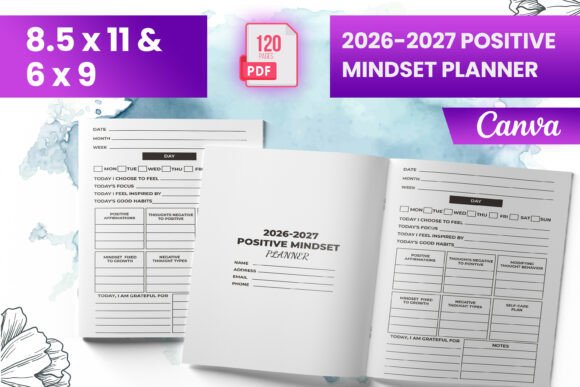
Planners aren’t just about tracking dates—they’re tools for shaping how we show up in the world. The 2026–2027 Positive Mindset Planner KDP is built around that idea: a structured, psychologically grounded interior designed to support reflection, intention-setting, and consistent self-awareness—without requiring advanced design skills or publishing experience.
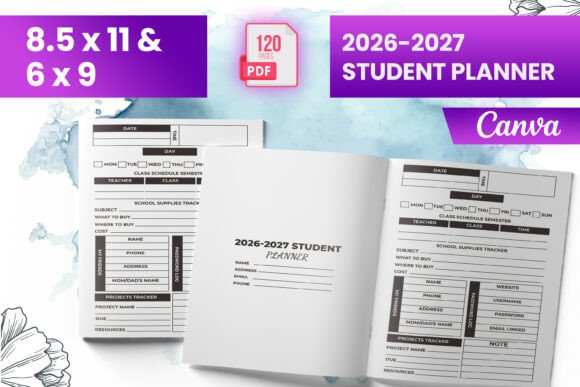
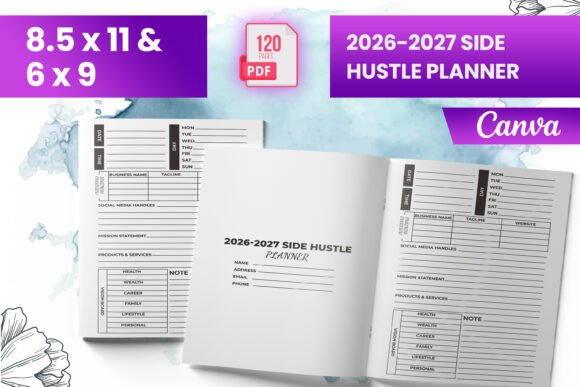
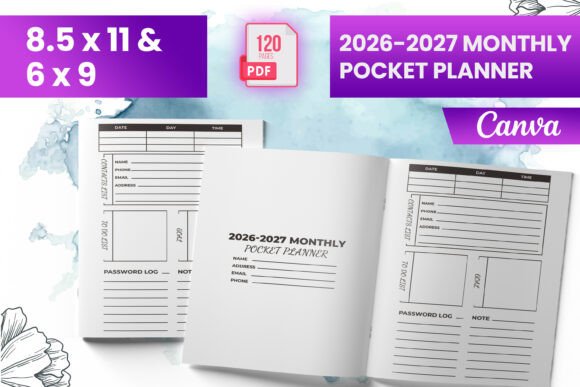
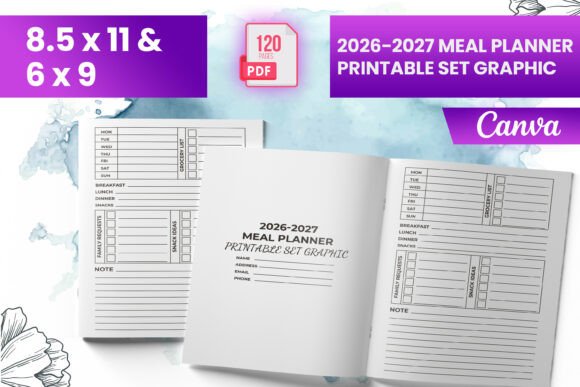
This isn’t a generic calendar with affirmations tacked on. It’s a 120-page interior file tested on Amazon KDP, formatted at standard US letter (8.5 × 11 inches) and compatible with 6″ × 9″ and other common paperback sizes. Every page includes bleed—so no white edges when printed—and comes ready as a high-resolution PDF, plus supporting PNG and JPG files for flexibility. You get an intro page, clean typography, intentional spacing, and layouts that leave room for writing, sketching, or pasting in personal prompts.
Why this matters—depending on who you are
For creators launching their first planner on KDP: You need reliability above all. A misaligned bleed, incorrect margins, or untested color profiles can delay your launch—or worse, trigger a rejection. This interior was validated on KDP before release, meaning fewer rounds of proofing and faster time-to-market. If you're balancing design work with writing, marketing, or client projects, having a production-ready foundation saves hours—not just on formatting, but on troubleshooting.
For educators and coaches: You might use the planner not as a product, but as a teaching tool. The structure supports weekly reflection prompts, gratitude logging, and goal breakdowns—all grounded in evidence-based habits like cognitive reframing and behavioral activation. Some teachers print single pages for classroom journaling; others adapt sections into handouts or digital modules. Because the file includes layered PNGs and JPGs, swapping out headers or adjusting fonts in Canva is straightforward—even without design software.
For small business owners and freelancers: Your time is fragmented, and mental load is high. A planner that asks “What energized me today?” instead of “What did I accomplish?” shifts focus from output to sustainability. You might use it alongside your project management tools—not to replace them, but to create space between tasks and intentions. The physical layout encourages pause: two-page spreads for monthly planning, dedicated space for values alignment, and gentle reminders to reassess priorities mid-quarter.
How beginners and experienced users approach it differently
A beginner might open the file and immediately appreciate the clarity: no blank templates to overthink, no guesswork about margins or bleed lines. They’ll likely upload the PDF directly to KDP, choose a simple cover, and publish within a day. Their priority is getting something live—something that looks professional and functions well—without needing to learn InDesign or wrestle with printer specifications.
An experienced KDP publisher, on the other hand, may scan the interior for customization potential. They’ll check whether PNG layers are grouped logically, whether font licenses are embedded or require substitution, and whether page numbers and section breaks align with Amazon’s latest guidelines. They might swap out certain spreads for niche audiences—adding habit trackers for wellness clients or budget reflections for solopreneurs—while keeping the core positive mindset framework intact.
What “ready to upload” really means
“Ready to upload” isn’t marketing language here—it reflects concrete technical preparation:
- The PDF meets KDP’s minimum 300 DPI resolution requirement for text and images.
- Bleed extends 0.125 inches beyond trim size on all sides, preventing accidental cutoffs.
- No RGB-to-CMYK conversion surprises—the file uses CMYK-safe colors for accurate printing.
- All fonts are either embedded or outlined, so text won’t shift during KDP processing.
- Page count (120) accounts for frontmatter, backmatter, and spreads—not just dated pages.
This level of prep matters most when you’re iterating quickly—say, testing multiple planner themes across niches—or when you’re bundling this interior with a custom Canva-designed cover and selling both as a download. It also helps if you plan to offer a printable version alongside your KDP paperback: the same PDF works for both, with no reformatting needed.
Flexibility without friction
Some planners sacrifice usability for aesthetics—overdesigned spreads, cramped margins, or overly prescriptive prompts. This interior avoids that trap. The layout breathes: generous line spacing, clear visual hierarchy, and intuitive progression from yearly overview → quarterly reflection → weekly grounding → daily check-in.
That flexibility shows up in practice, too. A blogger building a “mindful productivity” audience might highlight the weekly intention page in a newsletter, inviting readers to download and try one spread. A therapist could use the monthly values alignment worksheet in session prep. A hobbyist restoring vintage journals might print select pages on textured paper and bind them by hand—because the file gives them clean, scalable assets, not locked-down templates.
Matching the planner to your real-world needs
Ask yourself:
- Is speed important right now? If you’re launching before year-end or building a portfolio fast, having a tested, pre-formatted interior cuts days off your workflow.
- Do you prioritize control or convenience? If you love fine-tuning every detail, the included PNG/JPG files let you rebuild spreads in Canva or Photoshop. If you’d rather focus on content or marketing, the PDF alone is sufficient.
- Are you creating for yourself, your students, your clients, or customers? Self-use demands personal resonance; client-facing use demands clarity and adaptability; commercial use requires scalability and compliance—and this interior supports all three.
- How much design confidence do you have? You don’t need to be a designer to use it—but if you are, the layered assets give you room to expand, not constrain.
There’s no universal “best” planner interior. What makes the 2026–2027 Positive Mindset Planner KDP useful is how it meets people where they are—whether that’s learning how KDP works for the first time, scaling a planner brand across multiple niches, or quietly rebuilding consistency after burnout. It doesn’t assume motivation—it builds space for it.
If your goal is to publish with confidence, teach with intention, or simply begin each week anchored in what truly matters—not just what’s urgent—this interior offers more than structure. It offers permission: to slow down, reflect honestly, and move forward with quiet clarity.